Single Skin vs. Double Skin Warehouse Partitioning: What’s the Difference and Which Should You Choose?
Efficient warehouse design is about more than just storage—it’s about safety, temperature control, durability, and operational flow. One often overlooked but critical decision is how you partition your space. Two common options are single skin and double skin warehouse partitioning systems. While they may sound similar, they serve very different purposes.
Let’s break down what each system offers, where they excel, and how to decide which is right for your facility.
What Is Single Skin Partitioning?
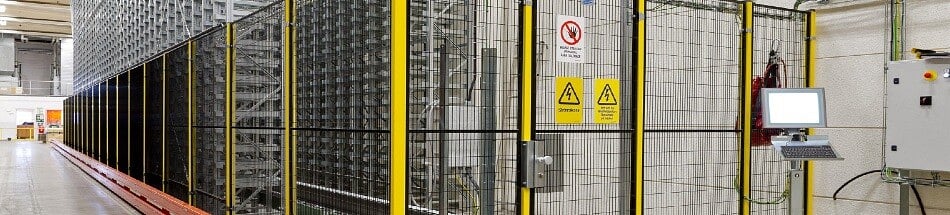
Single skin partitioning consists of a single layer of material, typically steel or aluminium sheeting, attached to a framework. It’s the simpler and more cost-effective of the two options.
Key Features:
Lightweight construction
Quick installation
Lower upfront cost
Minimal thickness
Best For:
Single skin systems are ideal for environments where basic separation is all that’s needed. For example:
Dividing work zones
Creating storage sections
Protecting machinery areas
However, they provide little to no insulation—both in terms of temperature and sound.
What Is Double Skin Partitioning?
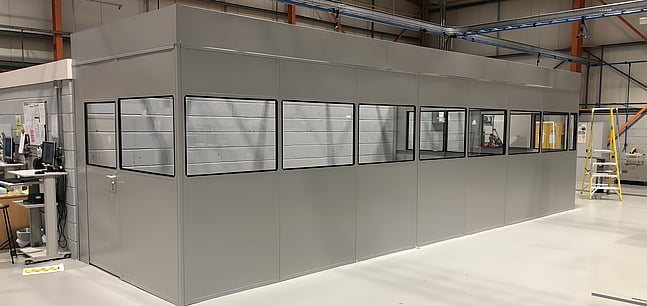
Double skin partitioning uses two layers of material with an internal cavity, often filled with insulating material such as foam or mineral wool.
Key Features:
Enhanced thermal insulation
Improved acoustic performance
Greater structural strength
More premium finish
Best For:
Double skin systems are designed for environments that require controlled conditions, such as:
Temperature-sensitive storage (e.g., food, pharmaceuticals)
Cleanrooms or hygienic zones
Offices within warehouses
Noise reduction between areas
Key Differences at a GlanceFeatureSingle SkinDouble SkinCostLowerHigherInstallationFasterSlightly more complexInsulationMinimalHigh (thermal & acoustic)DurabilityModerateHighApplicationsBasic divisionControlled environmentsFactors to Consider Before Choosing1. Temperature Requirements
If your operations involve temperature-sensitive goods, double skin partitioning is almost always the better choice.
2. Noise Levels
Warehouses can be loud. If you’re creating office space or quiet zones, double skin systems significantly reduce sound transfer.
3. Budget Constraints
If cost is a major concern and insulation isn’t necessary, single skin provides excellent value.
4. Future Flexibility
Single skin partitions are easier to modify or relocate, making them suitable for evolving layouts.
5. Compliance and Standards
Certain industries require strict environmental controls. Double skin systems help meet these regulations.
Which One Should You Choose?
There’s no one-size-fits-all answer.
Choose single skin if you need a simple, affordable partition for general separation.
Choose double skin if you need performance—insulation, durability, and environmental control.
In many warehouses, a hybrid approach works best—using single skin in general areas and double skin where conditions matter most.
Final Thoughts
Warehouse partitioning isn’t just about dividing space—it’s about optimizing how that space works. Understanding the trade-offs between single and double skin systems helps you make a smarter investment, improving both efficiency and long-term operational performance.
If you’re planning a redesign or new installation, it’s worth evaluating not just your current needs, but how your warehouse might evolve in the future.